Truck Axle Repair
Drive and steer axles, hubs, wheel seals and bearings on tractors and trailers.
Learn More about Truck Axle Repair
DEF/SCR faults are the most schedule-hostile failures on a modern diesel: regulations force escalation from a lamp to speed limits to a 5-MPH crawl on a defined timeline. The repair is rarely exotic — pumps, dosing injectors, heaters, and sensors — but the clock makes triage matter. Our DEF warning guide explains each stage; when you’re on one, call (916) 571-8888.
Part of the wider EGR & DPF system — and as everywhere on this site: no deletes, no defeat devices, no exceptions.
Emissions rules require the truck to enforce DEF-system repairs on a schedule. The exact steps vary by manufacturer and model year, but the shape is the same: a warning lamp, then a solid lamp with a countdown, then a torque or speed reduction, then a severe derate — often to 5 mph — triggered by a refuel, an extended idle or a set number of engine hours. The countdown runs on the truck’s terms, not the dispatcher’s, so the first lamp is the cheap moment to call.
DEF should be 32.5 percent urea in deionized water, checked in seconds with a refractometer. Fluid that has been stored hot, left open, contaminated with diesel or water, or sitting in a tank for a year reads wrong and poisons dosing components. When fluid fails the test, the repair starts with draining and refilling from a sealed, in-spec container — sometimes that is the whole repair.
DEF freezes at about 12°F (−11°C). Trucks are built to run while the tank thaws, using heated lines and a tank heater, so a failed heater becomes a cold-morning no-dose fault that only shows up on the first freezing week of the year in the foothills. Crystallized urea around the dosing injector and in the decomposition tube is the other seasonal problem — white deposits that restrict spray and skew NOx conversion until they are cleaned.
That code fires on electrical faults and sensor failures too — it’s an accusation, not a verdict. Diagnosis separates real interference from a bad connection.
Treat it as days at most — escalation runs on engine hours and restarts, not sympathy. Call, read us the message, and we’ll tell you the honest countdown.
Sealed, in-spec (ISO 22241) fluid from a reputable source is fine; bulk fluid of unknown history and anything stored in a used container is how systems get poisoned. When in doubt, cheap insurance is a fresh sealed jug.
Not by freezing itself; the tank is designed for expansion. The question is whether the heaters work so the truck can thaw and dose. If a DEF fault appears on a cold morning and clears later in the day, suspect the tank or line heaters, not the fluid.
A DEF refractometer costs little and reads urea concentration directly; 32.5 percent is the target. Buy sealed fluid with a date, keep it out of the sun, and never store it in a container that held anything else.
Managing more than one truck? Emissions faults carry compliance consequences beyond the repair itself. Read about fleet inspections and compliance.
In our shop at 3036 Orange Grove Ave, North Highlands, CA 95660, for trucks from across the Sacramento region. Some jobs can be done at your yard or at the roadside instead — see mobile truck repair, or call (916) 571-8888 and ask.
Sacramento-area service pages
32 Google reviews, 4.9 stars, from the owner-operators and fleets who keep bringing their trucks back — read them, then call and judge us yourself.
Good guys! Today I left the car in the morning, everything was done by lunchtime! I will come here often! I recommend.
Good, honest mechanics! They always get me in quickly, the prices are great. Definitely the nicest auto shop I've ever been to. Honest, efficient and prompt.
Great service, thank you guys for getting things done quickly and properly. Will trust becoming a regular here.
Drive and steer axles, hubs, wheel seals and bearings on tractors and trailers.
Learn More about Truck Axle Repair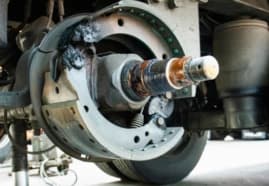
Air brake inspection and repair — chambers, slack adjusters, drums, linings and pressure problems.
Learn More about Truck Brake Inspection and Repair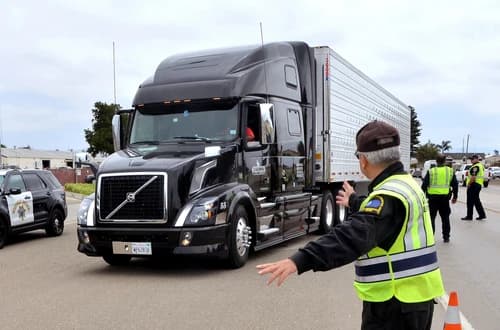
California emissions inspections for heavy-duty diesel trucks.
Learn More about CARB Inspection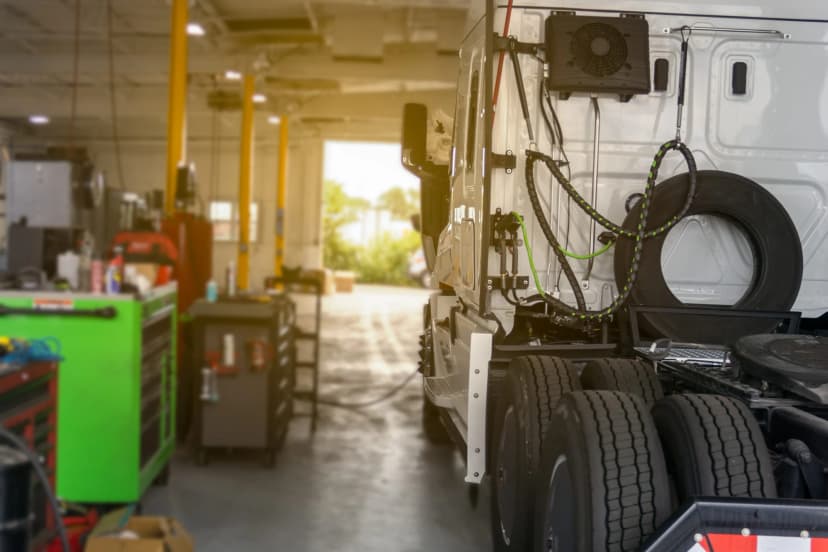
Radiators, fans, thermostats, EGR coolers and the overheating that threatens the engine.
Learn More about Truck Cooling System Repairs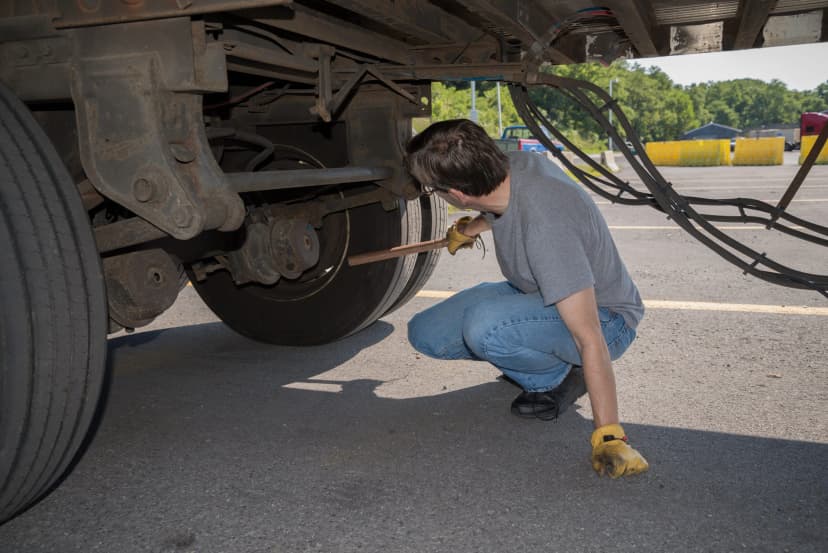
Federal periodic (annual) inspections performed in-house, with repairs in the same bays.
Learn More about DOT Inspections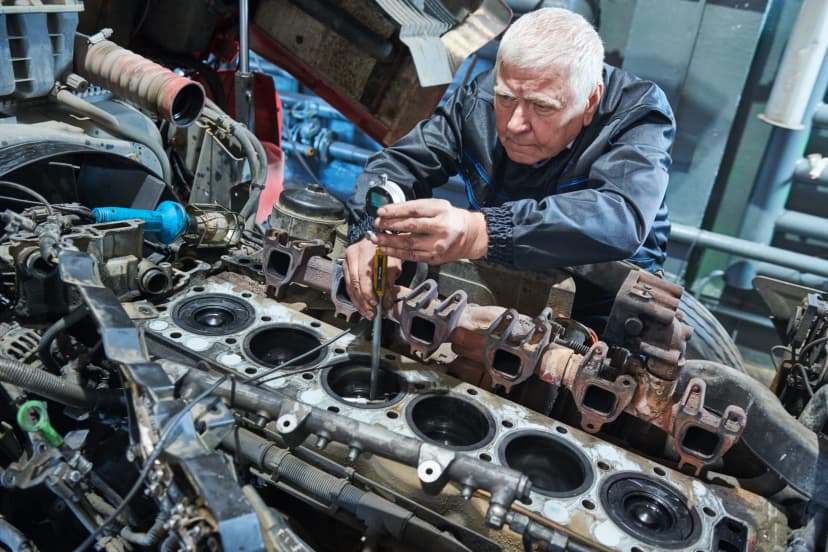
U-joints, carrier bearings, driveshafts and the vibration that announces them.
Learn More about Truck Driveline Repair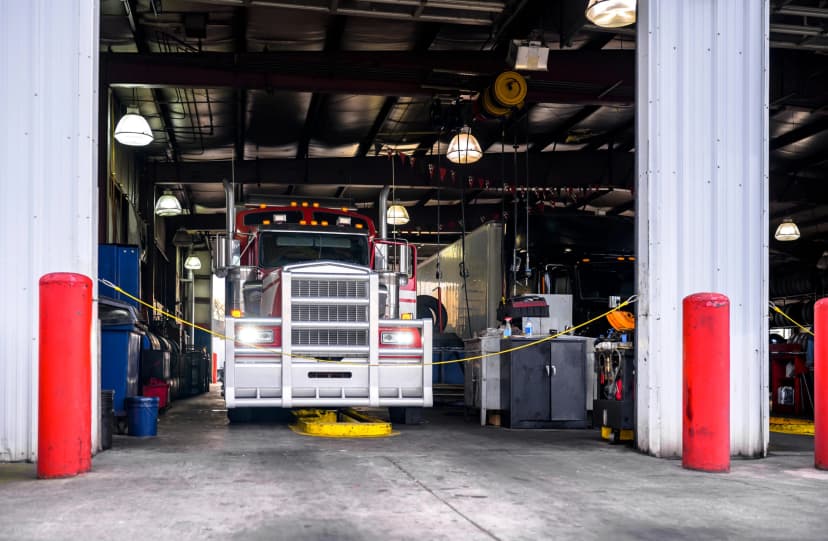
Charging, starting, wiring, lighting and the intermittent faults that mimic bigger problems.
Learn More about Truck Electrical Diagnostics & Repair
Breakdown response: what to do first, what is fixable roadside, and when a tow is the right call.
Learn More about Emergency Truck Roadside Assistance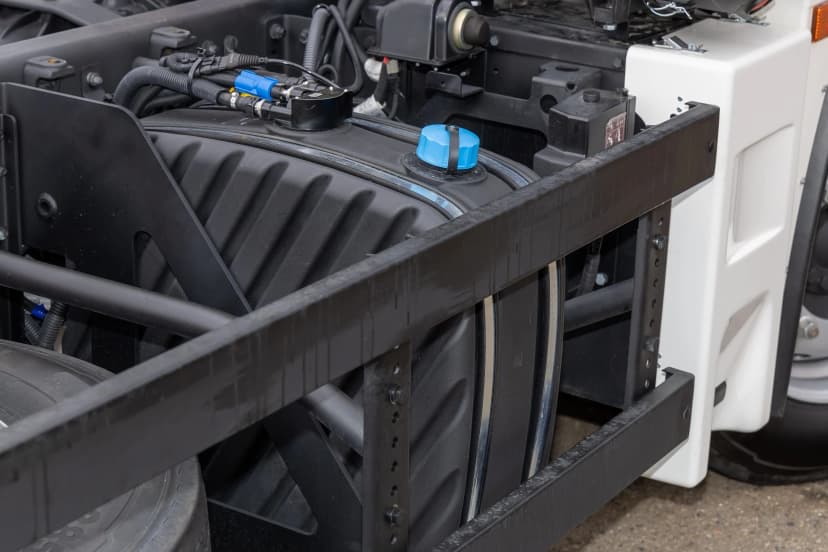
Derates, no-starts, power loss, smoke and hard starts — diagnosed before anything is replaced.
Learn More about Truck Engine Diagnostics and Repairs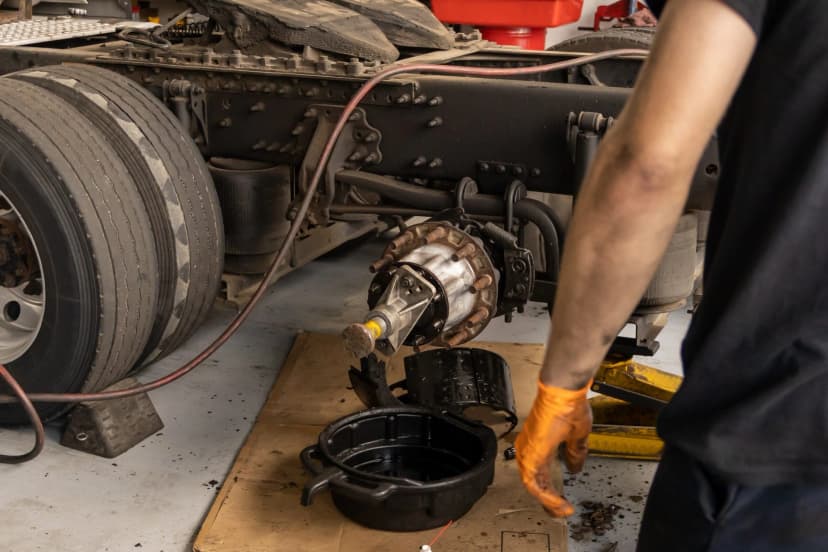
EGR and DPF service — the aftertreatment work that keeps a modern diesel legal and out of derate.
Learn More about EGR & DPF Repair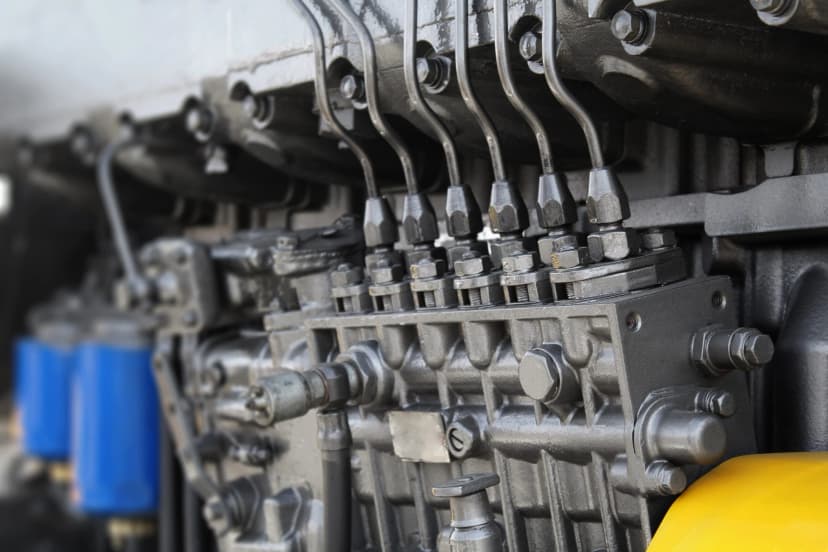
Leaks, clamps, flex pipes, manifolds and sensors upstream and downstream of the aftertreatment.
Learn More about Truck Exhaust System RepairsRecurring maintenance for multi-truck operations — one shop for PM, compliance and repairs.
Learn More about Fleet Maintenance ProgramsDon't let a truck breakdown disrupt your operations. Contact us today! Our friendly customer service team is ready to assist you and get your truck back on the road in no time.
3036 Orange Grove Ave
North Highlands, CA 95660