

Truck Axle Repair
Drive and steer axles, hubs, wheel seals and bearings on tractors and trailers.
Learn More about Truck Axle Repair
Low boost, black smoke, and lazy power get blamed on the turbocharger constantly — and a turbo is an expensive part to replace on a hunch. Boost leaks, stuck wastegates or VGT actuators, clogged air filters, and aftertreatment restrictions all imitate a dying turbo. We test before we condemn.
We measure boost against spec, pressure-test the charge system for leaks, check shaft play and wheel condition, and test actuator function. If the turbo's good, you pay for the actual fix — often a boot, a clamp, or an actuator. If it's done, we'll quote the replacement with the “why” attached, and check the things that kill new turbos (oil supply, drain, air filtration) so the replacement isn't a repeat customer.
Variable-geometry turbos move vanes to change boost, and the actuator that moves them fails far more often than the turbo it sits on — sticking from soot, losing its position sensor, or dropping its electrical connection. The symptoms are identical to a dying turbo: low boost, derates, boost-pressure codes. Testing the actuator’s travel and calibration comes before any discussion of a turbo.
Charge-air coolers, boots and clamps leak quietly and cost power, fuel and sometimes a turbo that overspeeds trying to make up the loss. Pressurizing the charge-air system and listening — or using a smoke machine — finds leaks a visual check misses. It is a cheap test that stops expensive guesses.
Every replacement here includes finding which one happened and fixing it, plus priming the oil supply, fresh oil and filter, an inspected drain line, and a new air filter — because a replacement turbo installed into the conditions that killed the first one is a second bill.
Usually the truck will move, but you're burning extra fuel and possibly feeding an underlying problem. If there's oil loss or new noise, stop driving it — a turbo letting go can take the engine's oil supply with it. Call and describe it: (916) 571-8888.
Turbos rarely die of old age alone — oil starvation, contaminated oil, or ingested debris kill most of them. That's why we check cause-of-death before installing the new one; otherwise you're buying two turbos.
Depends on the unit and what failed. We'll lay out both paths with real costs when we've seen yours — no generic numbers here that won't survive the teardown.
Often, yes — on many platforms the actuator is a separate, calibratable part. Whether that is the right repair depends on vane condition; if the vanes are seized with soot, a new actuator fights the same problem.
After hard pulls, yes — a short idle period lets oil carry heat out of the turbo bearing housing. On a truck that just ran a grade and gets shut off hot, that one habit extends turbo life more than any product.
Not sure this is the service you need? Start from what the truck is doing:
Plain-English reference pages — what the rules require, what decisions cost, and how to think about them before you call.
In our shop at 3036 Orange Grove Ave, North Highlands, CA 95660, for trucks from across the Sacramento region. Some jobs can be done at your yard or at the roadside instead — see mobile truck repair, or call (916) 571-8888 and ask.
Sacramento-area service pages
32 Google reviews, 4.9 stars, from the owner-operators and fleets who keep bringing their trucks back — read them, then call and judge us yourself.
Good guys! Today I left the car in the morning, everything was done by lunchtime! I will come here often! I recommend.
Good, honest mechanics! They always get me in quickly, the prices are great. Definitely the nicest auto shop I've ever been to. Honest, efficient and prompt.
Great service, thank you guys for getting things done quickly and properly. Will trust becoming a regular here.
Drive and steer axles, hubs, wheel seals and bearings on tractors and trailers.
Learn More about Truck Axle Repair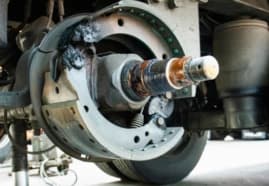
Air brake inspection and repair — chambers, slack adjusters, drums, linings and pressure problems.
Learn More about Truck Brake Inspection and Repair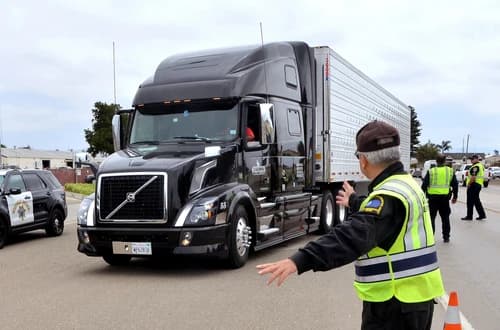
California emissions inspections for heavy-duty diesel trucks.
Learn More about CARB Inspection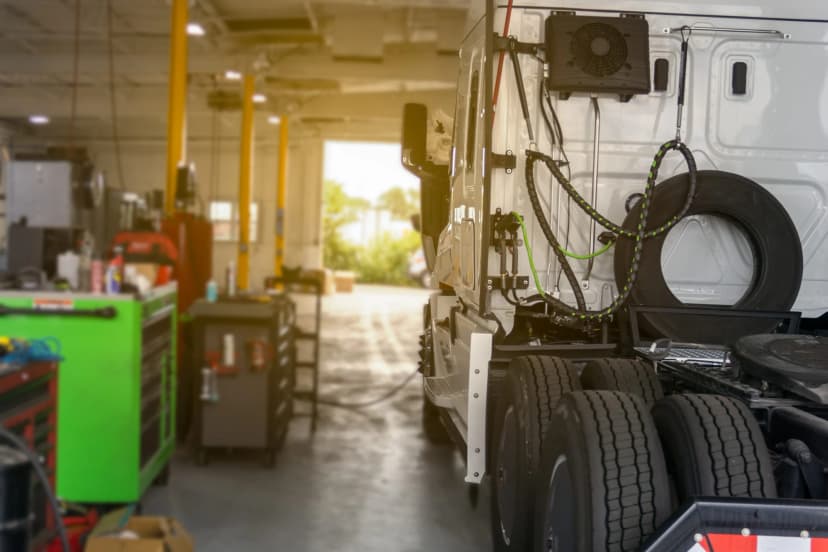
Radiators, fans, thermostats, EGR coolers and the overheating that threatens the engine.
Learn More about Truck Cooling System Repairs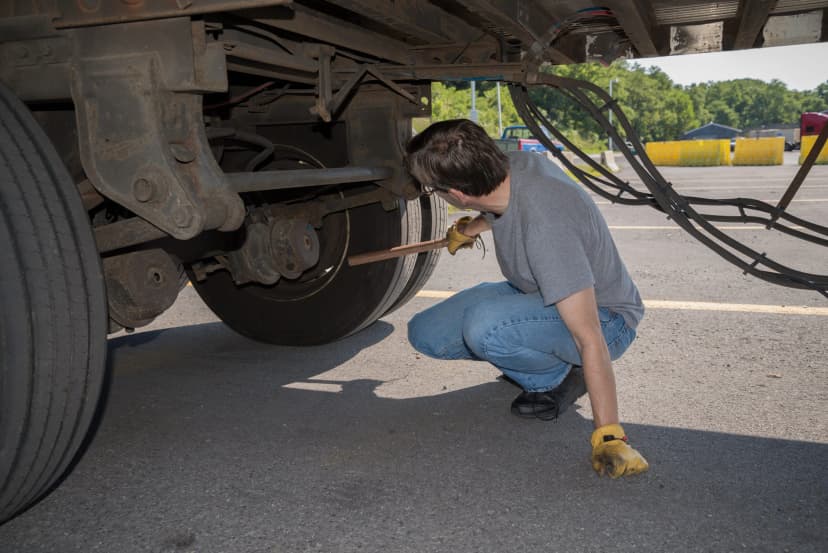
Federal periodic (annual) inspections performed in-house, with repairs in the same bays.
Learn More about DOT Inspections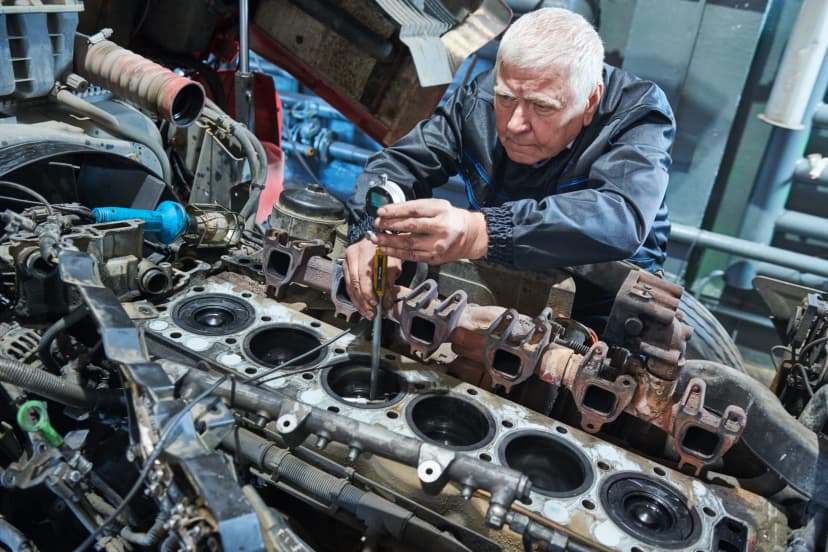
U-joints, carrier bearings, driveshafts and the vibration that announces them.
Learn More about Truck Driveline Repair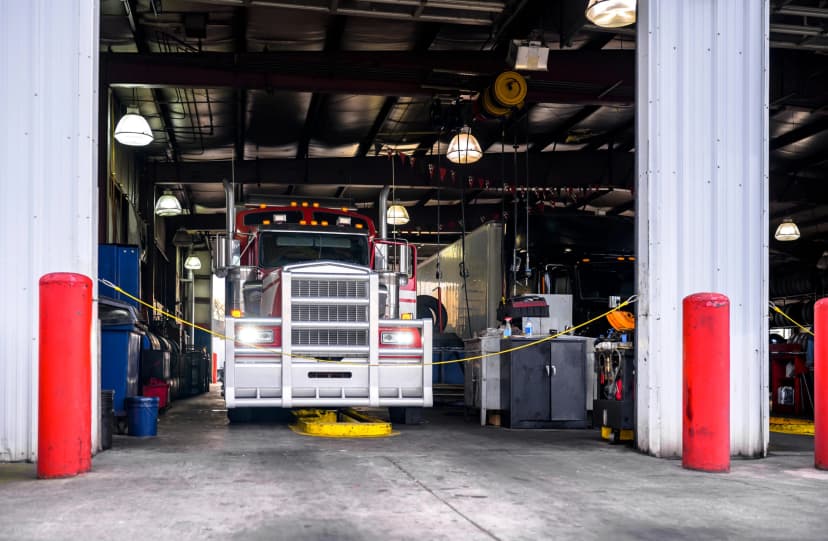
Charging, starting, wiring, lighting and the intermittent faults that mimic bigger problems.
Learn More about Truck Electrical Diagnostics & Repair
Breakdown response: what to do first, what is fixable roadside, and when a tow is the right call.
Learn More about Emergency Truck Roadside Assistance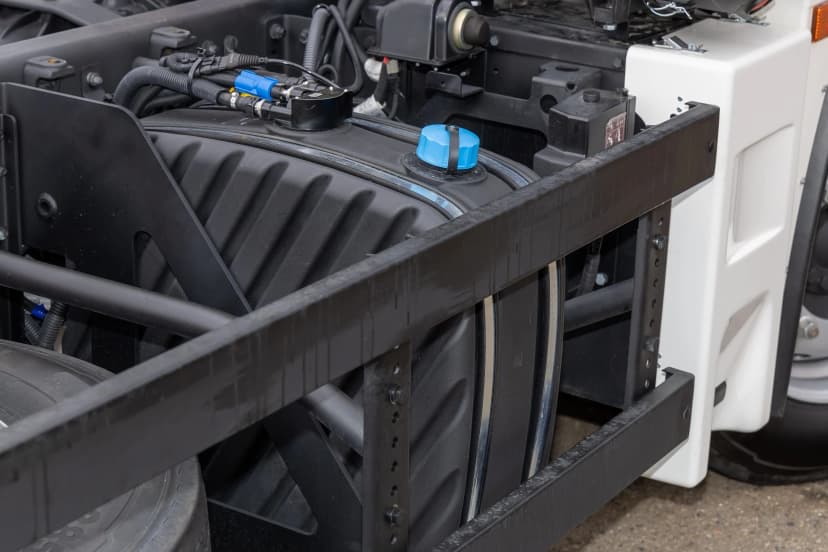
Derates, no-starts, power loss, smoke and hard starts — diagnosed before anything is replaced.
Learn More about Truck Engine Diagnostics and Repairs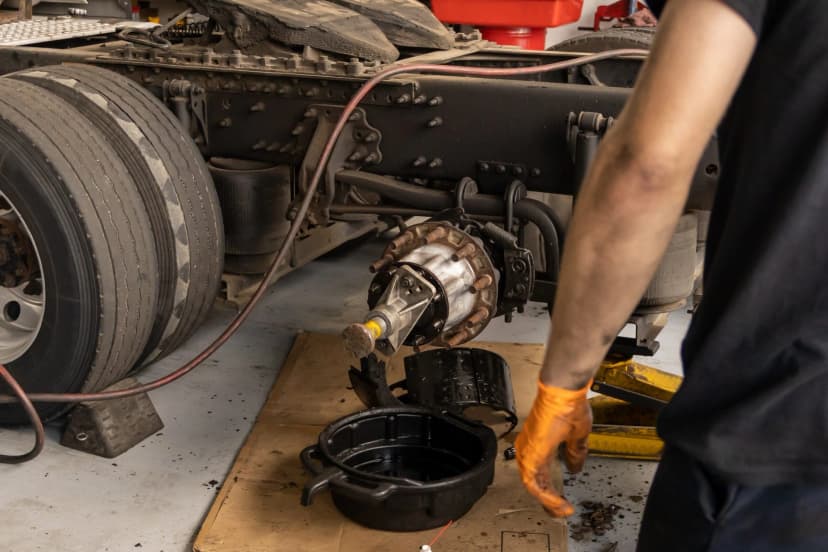
EGR and DPF service — the aftertreatment work that keeps a modern diesel legal and out of derate.
Learn More about EGR & DPF Repair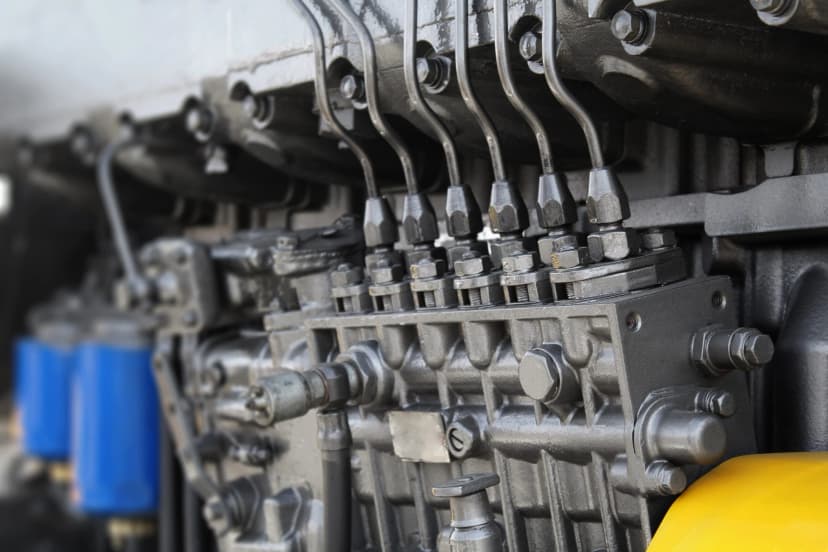
Leaks, clamps, flex pipes, manifolds and sensors upstream and downstream of the aftertreatment.
Learn More about Truck Exhaust System RepairsRecurring maintenance for multi-truck operations — one shop for PM, compliance and repairs.
Learn More about Fleet Maintenance ProgramsDon't let a truck breakdown disrupt your operations. Contact us today! Our friendly customer service team is ready to assist you and get your truck back on the road in no time.
3036 Orange Grove Ave
North Highlands, CA 95660